Recently I upgraded to a 10,000 rpm drive in my desktop and a 7,200 rpm
drive in my laptop. Quite frankly this is the most cost effective way to
improve performance on any machine. CPU speeds have grown dramatically
over the last few years, so has memory capacity and CPU to memory
bandwidth, but disk seek speeds and disk transfer rates have grown much
more slowly. Chances are your CPU spends most of its time either idle or
waiting for the disk drive now.
Windows Vista was designed with assumptions about us all having faster
computers, more memory and bigger disk drives but without faster seek
speeds and higher disk to memory performance, any move towards 'bloat'
is going to result in a more sluggish computer with worse battery life.
Personally I run Windows 2003 Server on all my computers including the
laptop - it's the most stable OS Microsoft has ever shipped and, to me,
stability beats features and flashy UI.
Digital Twin are an online representation of a real world object, a copy of its properties in the digital world and a way to send updated and commands to it. In effect I've been making them for years but now they have a trendy name.
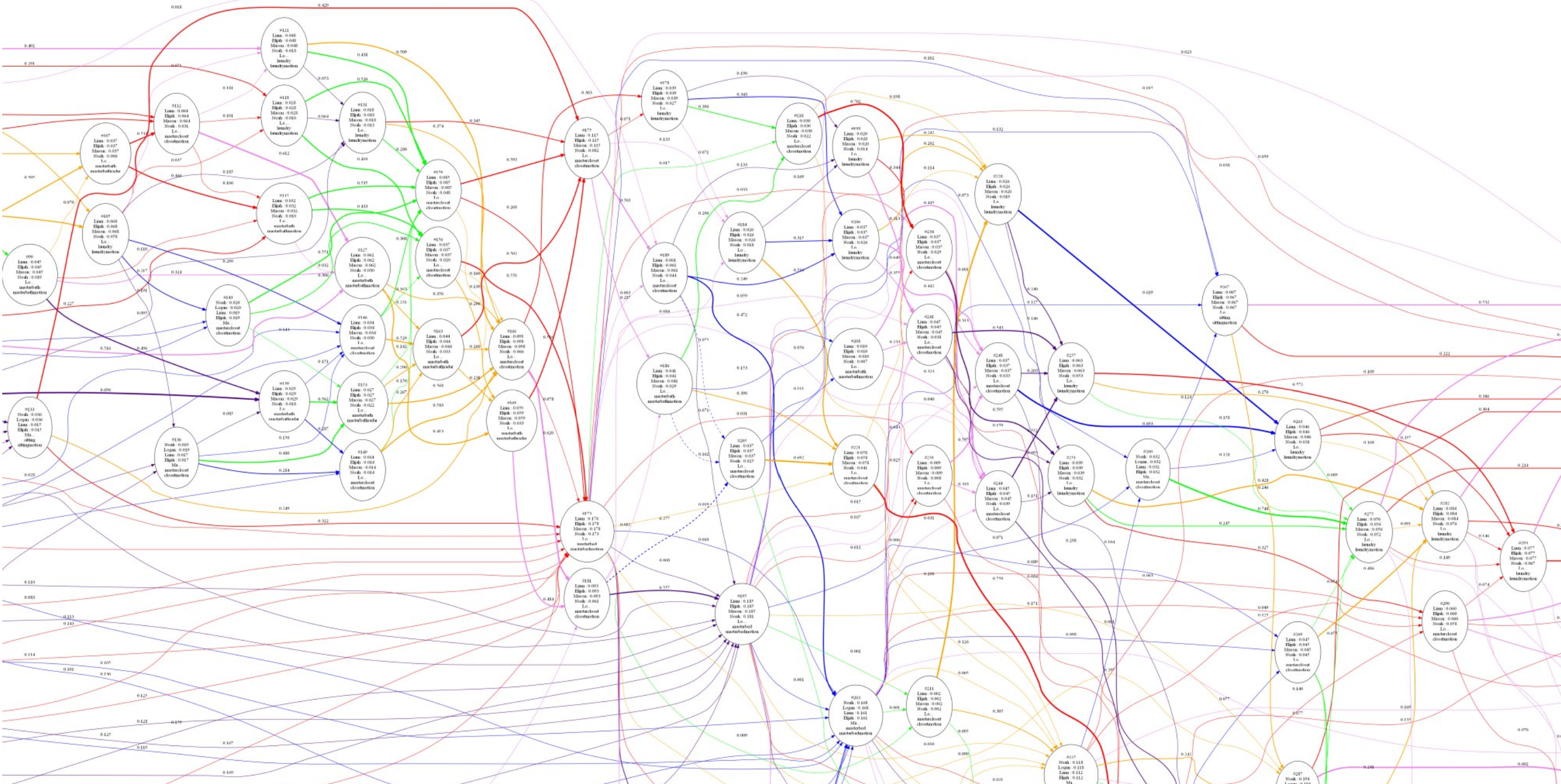
Why automated learning is hard for a smart home. The perils of over-fitting, under-fitting and how the general unpredictable nature of life makes it hard to build a system that learns your behavior.
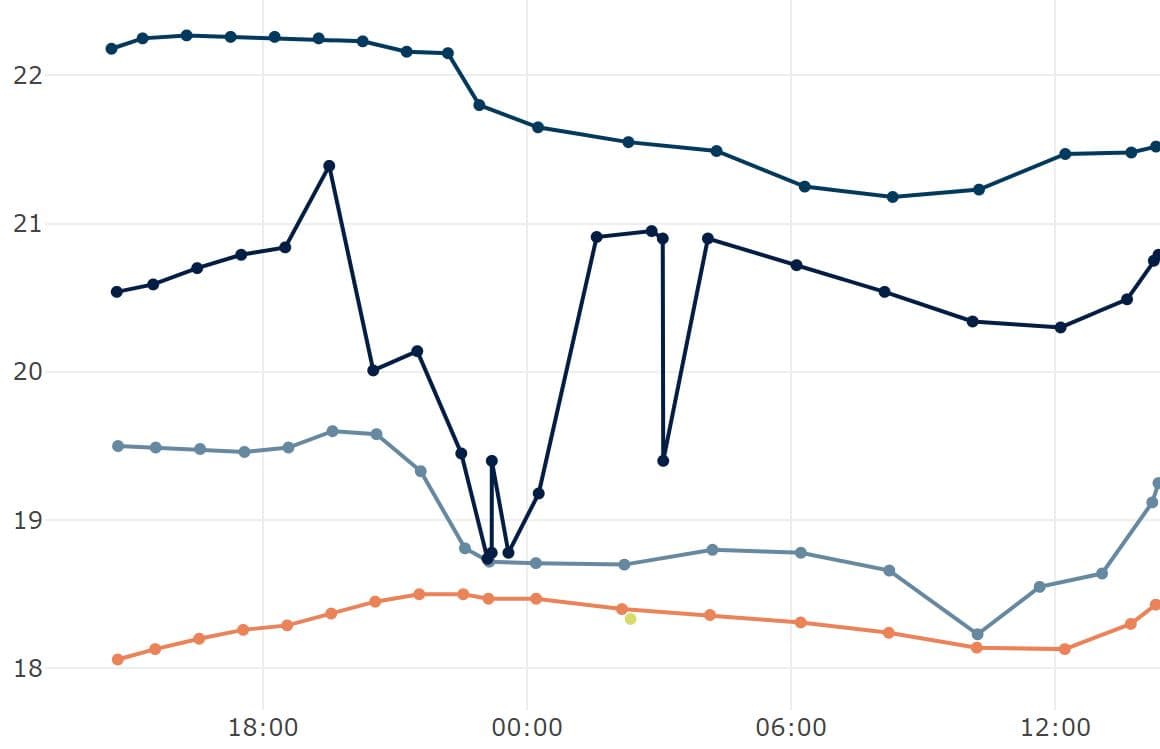
One way to reduce the volume of sensor data is to remove redundant points. In a system with timestamped data recorded on an irregular interval we can achieve this by removing co-linear points.
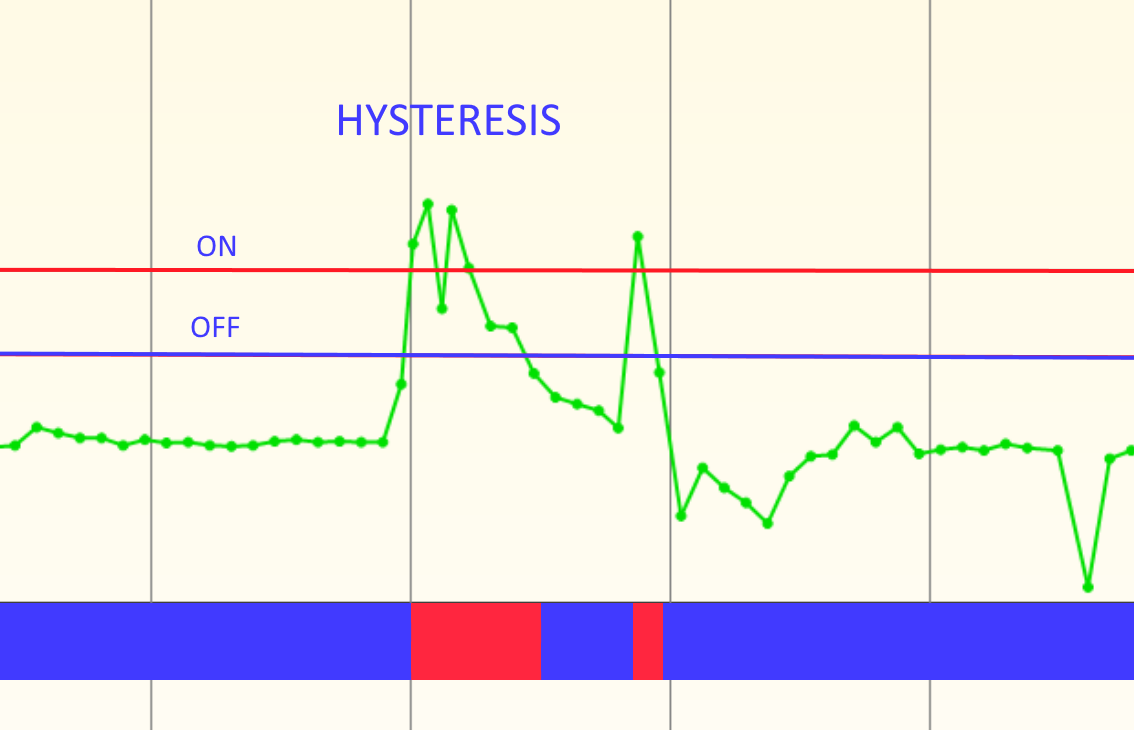
Home automation systems need to respond to events in the real world. Sometimes it's an analog value, sometimes it's binary, rarely is it clean and not susceptible to problems. Let's discuss some of the ways to convert these inputs into actions.
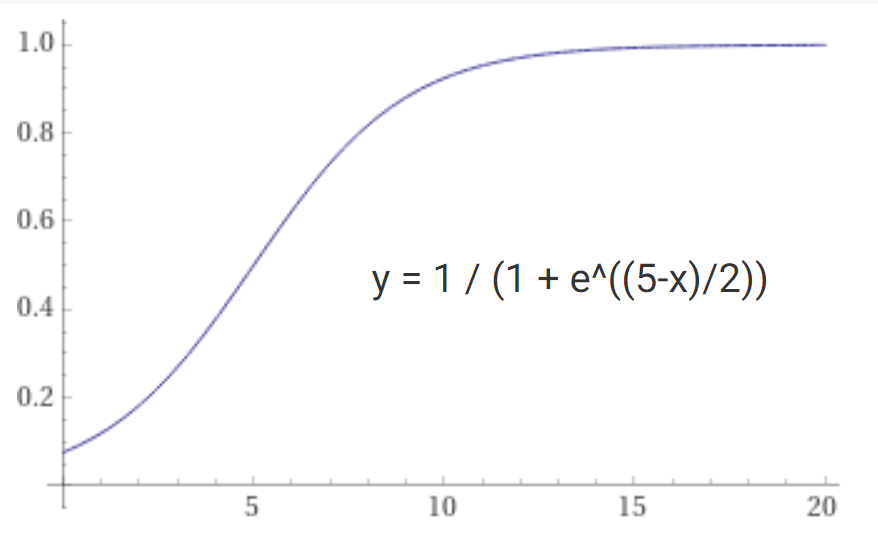
Another super useful function for handling sensor data and converting to probabilities is the logistic function 1/(1+e^-x). Using this you can easily map values onto a 0.0-1.0 probability range.
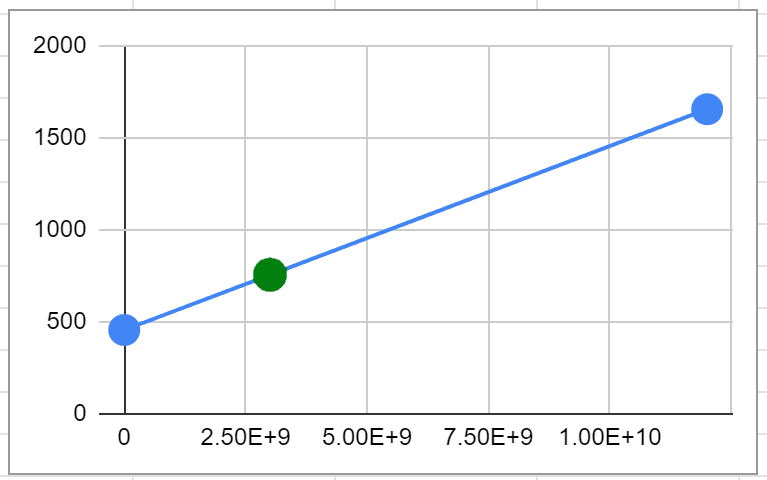
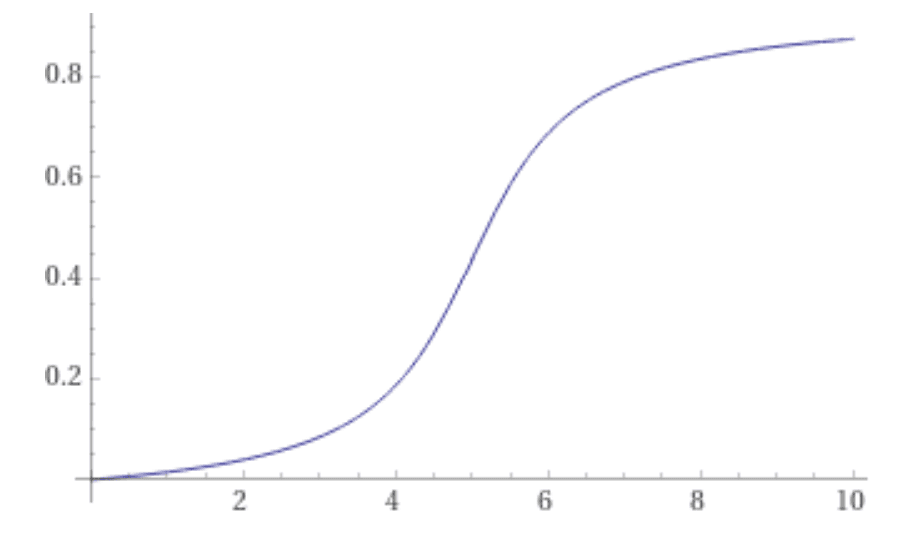
In a home automation system we often want to convert a measurement into a probability. The ATAN curve is one of my favorite curves for this as it's easy to map overything onto a 0.0-1.0 range.
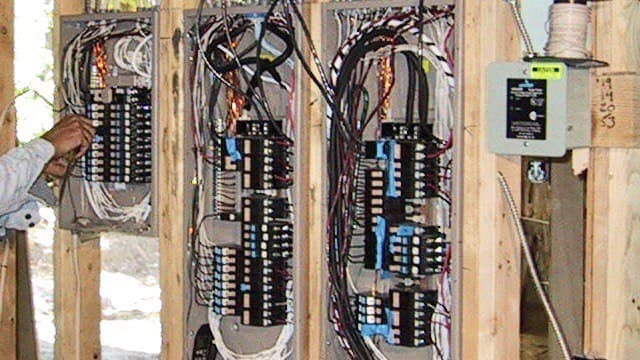
Several years ago we did a major remodel. I did all of the finish electrical myself and supervised all of the rough-in electrical. I also put in all of the electrical system and water in our barn. I have opinions ...